Saturday, November 21, 2026

Protein Diet: What Does It Mean for Your Body?
 

Protein Diet: What Does It Mean for Your Body?


Protein has become the star of modern nutrition. Walk down any supermarket aisle and you'll find protein bars, protein shakes, protein-enriched yogurt, and even protein chips. But what actually happens inside your body when you eat more of it? And is a high-protein diet right for everyone?

What Protein Does in Your Body

Protein is one of three macronutrients, alongside carbohydrates and fats. It's made up of amino acids, often called the building blocks of life. Your body uses them to build and repair muscle, produce enzymes and hormones, support your immune system, and keep your skin, hair, and nails healthy.

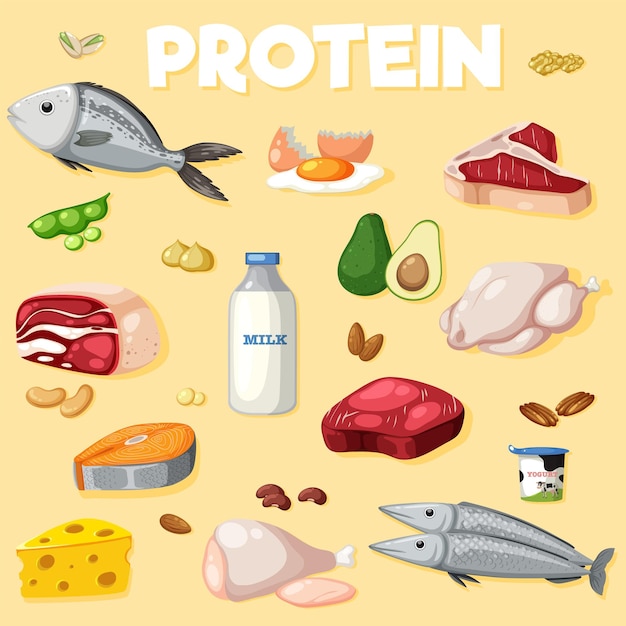
Of the twenty amino acids your body needs, nine are "essential," meaning you must get them from food because your body can't make them. Animal sources like meat, fish, eggs, and dairy provide all nine. Many plant sources, such as beans, lentils, tofu, and quinoa, can also deliver them, especially when eaten in variety.

What Is a "Protein Diet"?

The term can mean different things. For some, it simply means being more mindful of protein at each meal. For others, it refers to a structured high-protein eating plan where protein makes up a larger share of daily calories, often 25 to 35 percent or more, compared with the roughly 10 to 20 percent typical in many diets.

For reference, general guidelines suggest about 0.8 grams of protein per kilogram of body weight for the average adult. Active people, older adults, and those building muscle often benefit from more, commonly 1.2 to 2.0 grams per kilogram.

The Potential Benefits

Muscle growth and maintenance. Protein is essential for repairing the tiny tears in muscle fibers that occur during exercise. Combined with resistance training, adequate protein helps build and preserve lean mass.

Greater fullness. Protein tends to be more satiating than carbohydrates or fat. Eating it can reduce hunger and cravings, which is one reason high-protein diets are popular for weight management.


A higher calorie burn from digestion. Your body uses more energy to digest protein than other macronutrients, a phenomenon known as the thermic effect of food. The effect is modest, but it adds up.

Protection against muscle loss with age. As we get older, we naturally lose muscle, a process called sarcopenia. Higher protein intake, paired with strength exercise, can help slow this decline and support mobility and independence.

Support during weight loss. When you cut calories, you risk losing muscle along with fat. Adequate protein helps preserve lean tissue so more of the weight you lose comes from fat.

The Potential Downsides

More isn't always better, and a high-protein diet comes with some considerations.

Kidney strain for some people. In healthy individuals, higher protein intake hasn't been shown to damage the kidneys. However, people with existing kidney disease are often advised to limit protein, since damaged kidneys have a harder time filtering waste products.

Nutritional imbalance. If you load up on protein but squeeze out fruits, vegetables, whole grains, and healthy fats, you may miss out on fiber, vitamins, and antioxidants. Digestive issues like constipation are common when fiber intake drops.

Heart health concerns depend on the source. Diets heavy in red and processed meats are linked to higher cardiovascular risk, while diets emphasizing fish, poultry, legumes, and nuts tend to be associated with better outcomes. The type of protein matters as much as the amount.

Cost and sustainability. High-protein eating can be expensive and, for some, difficult to maintain long term. Extremely restrictive plans often lead to a cycle of dieting and rebounding.

Making Protein Work for You

You don't need to overhaul your life to benefit from protein. A few practical habits go a long way:

  • Spread it out. Aim for a good source of protein at each meal rather than saving it all for dinner. Research suggests this supports muscle repair more effectively.
  • Choose quality sources. Favor fish, eggs, poultry, Greek yogurt, legumes, tofu, nuts, and seeds. Treat processed meats as an occasional item.
  • Keep the plate balanced. Pair protein with vegetables, whole grains, and healthy fats for a complete meal.
  • Be cautious with supplements. Powders and bars can be convenient, but whole foods should come first. Check labels, since some products contain lots of added sugar.
  • Stay hydrated. Drinking enough water supports your body's processing of the extra nitrogen that comes from protein metabolism.

Who Should Be Careful?

If you have kidney or liver conditions, are pregnant, or manage a chronic illness, speak with a doctor or registered dietitian before significantly changing your protein intake. Needs vary widely based on age, activity level, health status, and goals.

The Bottom Line

A protein diet can be a powerful tool. It can help you feel full, protect your muscle, and support a healthy body composition. But it works best as part of a balanced, varied way of eating rather than as an all-or-nothing approach.

Listen to your body, focus on quality, and remember that the best diet is the one you can enjoy and sustain. Protein is a valuable ally, but it's only one piece of the puzzle.

This post is for general information and isn't a substitute for personalized medical or nutritional advice.

https://www.pluginprofitsite.com/main-52465/freesetup.html

(PLR) Keto Diet Secrets

https://warriorplus.com/o2/a/lp3w10x/0



Effective Treatment for Fibromyalgia Patients


Effective Treatment for Fibromyalgia Patients


Fibromyalgia is a chronic condition marked by widespread musculoskeletal pain, persistent fatigue, unrefreshing sleep, and difficulties with memory and concentration, often called "fibro fog." It affects an estimated 2 to 4 percent of the population, most of them women, and because there is no single test or cure, many people spend years searching for relief. The encouraging news is that a combination of approaches can significantly reduce symptoms and improve quality of life. Effective treatment is rarely about one magic solution. It is about building a personalized plan.

Start With Understanding the Condition

Research suggests fibromyalgia involves a heightened sensitivity of the central nervous system, sometimes described as "central sensitization." The brain and spinal cord amplify pain signals, so normal sensations can feel painful. Understanding this matters, because it explains why treatment focuses on calming the nervous system rather than repairing damaged tissue. It also helps validate what patients experience: the pain is real, even when scans and blood tests appear normal.

Exercise: The Most Consistently Supported Treatment

If there is one intervention with the strongest evidence, it is regular, gentle physical activity. It sounds counterintuitive when moving hurts, but studies repeatedly show that aerobic exercise, strength training, and mind-body movement can reduce pain and fatigue and improve sleep and mood.

The key is to start low and go slow. A five-minute walk or a short session of gentle stretching is a perfectly good beginning. Increase duration gradually, perhaps by a minute or two each week, to avoid triggering a flare. Low-impact options tend to work best:

  • Walking or Nordic walking
  • Water-based exercise, where buoyancy reduces strain on joints
  • Tai chi and yoga, which combine movement, breathing, and relaxation
  • Light resistance training with bands or small weights

Consistency matters more than intensity. Many patients find that working with a physical therapist who understands fibromyalgia helps them pace themselves safely.

Cognitive Behavioral Therapy and Psychological Support

Cognitive behavioral therapy (CBT) is one of the best-studied non-drug treatments. It does not suggest the pain is "all in your head." Instead, it teaches practical skills: managing stress, pacing activity, challenging unhelpful thought patterns about pain, and coping with the frustrations of a chronic illness. Because stress, anxiety, and depression can intensify symptoms, and living with pain can in turn worsen mood, addressing mental health is a core part of treatment rather than an optional extra. Mindfulness-based stress reduction and acceptance and commitment therapy have also shown benefits for many patients.

1,001+ Audiobooks + Unrestricted PLR

Medications That May Help

Medication can be a useful part of a plan, though it rarely eliminates symptoms entirely. Opioids are generally not recommended for fibromyalgia, as evidence shows they are not effective for long-term use and carry significant risks. The options more commonly used include:

  • Duloxetine and milnacipran, serotonin-norepinephrine reuptake inhibitors that can ease pain and fatigue
  • Pregabalin and gabapentin, which calm overactive nerve signaling
  • Low-dose amitriptyline or cyclobenzaprine, sometimes prescribed at bedtime to improve sleep and reduce pain

Responses vary widely from person to person, and side effects such as drowsiness, dizziness, or weight changes are common. A good approach is to begin with a low dose, give each medication a fair trial, and review the results with your doctor regularly. Always consult your healthcare provider before starting, changing, or stopping any medication.

Prioritize Sleep

Poor sleep and fibromyalgia feed each other. Pain disrupts rest, and exhaustion lowers pain tolerance the next day. Improving sleep hygiene can make a meaningful difference. Keep a consistent bedtime and wake time, limit caffeine in the afternoon, keep the bedroom cool, dark, and quiet, and reduce screen use before bed. If symptoms such as loud snoring or restless legs are present, ask your doctor about screening for sleep apnea or restless legs syndrome, since these are common in people with fibromyalgia and treatable.

Complementary Therapies

Several complementary approaches have shown promise for some patients. Acupuncture, massage therapy, and balneotherapy (warm-water or spa treatments) may offer short-term relief from pain and stiffness. Evidence for supplements and special diets is more mixed, though many people feel better when they eat a balanced, whole-food diet, stay hydrated, and maintain a healthy weight. These options work best as additions to, not replacements for, exercise and therapy.

Pacing and Lifestyle Management

Many people with fibromyalgia fall into a "boom and bust" cycle: doing too much on a good day, then paying for it with a flare. Pacing helps break this pattern. Break tasks into smaller chunks, schedule rest before you feel exhausted, and prioritize what matters most. Stress management techniques like deep breathing, meditation, or gentle hobbies can lower baseline tension. Support groups, whether in person or online, also reduce isolation and offer practical tips from people who truly understand.

Building Your Care Team

The most effective treatment is usually multidisciplinary. Your team might include a primary care physician or rheumatologist, a physical therapist, a mental health professional, and perhaps a pain specialist or sleep specialist. Keep a symptom diary tracking pain, sleep, mood, and activity. It helps you and your providers identify patterns and see which treatments are truly working.

A Realistic and Hopeful Outlook

Fibromyalgia is a long-term condition, but it is not a progressive or degenerative one, and many people see substantial improvement with the right combination of strategies. Progress is often gradual, with setbacks along the way, and that is normal. Be patient with yourself, celebrate small wins, and keep communicating openly with your care team.

This article is for general information only and is not a substitute for professional medical advice. Please talk with your healthcare provider about the best treatment plan for you.

https://www.pluginprofitsite.com/main-52465/freesetup.html


March Madness White Label Lead Magnet Blowout

https://warriorplus.com/o2/a/p6z3n86/0


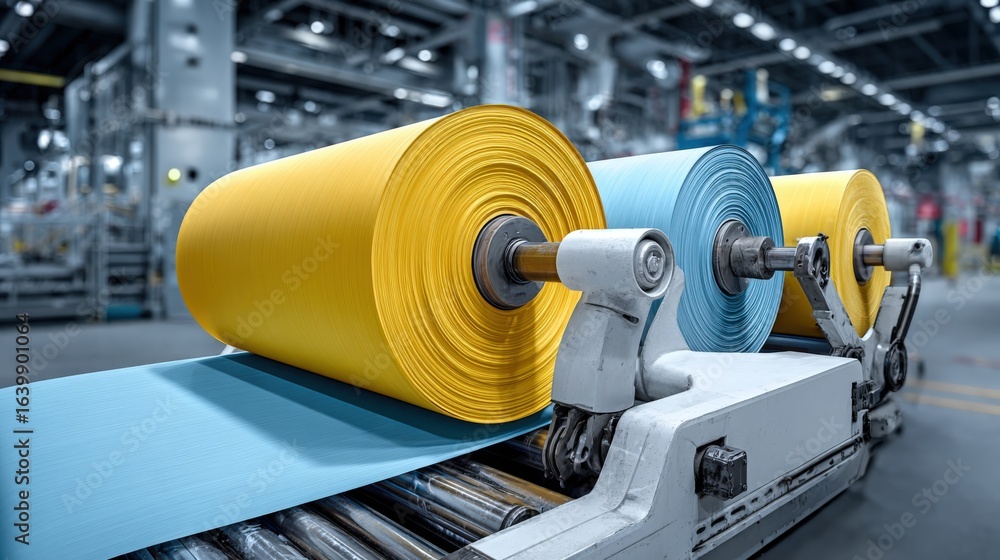
Carbonless Paper Roll Producing a Foam Wrapped Package


Carbonless Paper Roll Producing a Foam Wrapped Package


Few things in the packaging world are as quietly clever as carbonless paper. Most of us meet it at the end of a transaction: a signed delivery slip, a restaurant check, a warehouse pick ticket, where the copy underneath magically records what was written on top. But carbonless paper is also a fascinating industrial product, and in some modern packaging lines it plays a surprising role alongside protective foam wrapping. Let's look at how a carbonless paper roll fits into the process of producing a foam-wrapped package, and why this pairing is worth knowing about.

What Makes Carbonless Paper Different

Traditional carbon paper relied on a messy, ink-coated sheet slipped between pages. Carbonless paper replaced it with chemistry. The top sheet is coated on its underside with microscopic capsules containing colorless dye. The sheet beneath carries a coating of reactive clay or resin. When you press with a pen, or when a printer strikes the page, the capsules rupture, the dye is released, and it reacts with the coating below to form a visible mark.

No carbon, no smudges, no loose inserts. The marks appear on the sheet underneath instantly, and they stay put.

For packaging operations, the roll format is what matters. Carbonless paper is commonly supplied on large reels, which feed continuously through printers and converting equipment. A single roll can produce thousands of multi-part labels, packing slips, and shipping documents without stopping the line.

Where the Roll Meets the Package

Imagine a fulfillment line handling fragile goods: ceramics, glassware, electronics, or precision instruments. Each item needs three things: cushioning, identification, and documentation. The carbonless paper roll handles the second and third.

As the line runs, the paper unwinds from its roll and passes through an impact or thermal printer. The printer generates order information, barcodes, and handling instructions. Because the paper is made of layered plies, one pass produces multiple copies at once: one for the customer, one for the warehouse, one for accounting or returns. Cut to length, the finished document is attached to or tucked into the package.

Meanwhile, the product itself is being wrapped in foam. This is typically polyethylene foam sheeting or a similar closed-cell material, chosen for its light weight, shock absorption, and resistance to moisture. The item is placed on the foam, which is folded or wrapped around it, then sealed with tape or heat. The carbonless paper documentation is slipped into a pouch on the outside or secured to the wrapped package before it goes into a shipping carton.


Why This Combination Works

Documentation survives the journey. Carbonless forms have no ribbons or ink cartridges to fail, and the images are resistant to many of the smearing problems that affect inkjet output. Packages move through humid warehouses, cold trucks, and rough handling, and the paperwork needs to stay legible.

Speed and reliability. Continuous rolls keep the line moving. There are no sheets to jam, no manual collating of copies, and no separate carbon inserts. That reduces downtime and labor.

Clean handling around foam. Foam wrapping is sensitive to static and dust, and some foams attract particles readily. Carbonless paper does not shed ink or toner, which helps keep the packaging area cleaner.

Traceability. When every wrapped package carries a duplicated record, it becomes far easier to track where an item came from, who packed it, and what should be inside. If a claim is filed for damage in transit, the paper trail matches the physical package.

Practical Tips for Operators

If you are setting up or optimizing a line like this, a few details make a real difference:

  1. Match the paper to the printer. Carbonless papers are engineered for impact printing, and some grades are suited to laser or inkjet use. Check the manufacturer's specifications before loading a new roll.
  2. Control storage conditions. Heat and pressure can prematurely rupture the microcapsules, producing faint background marking. Store rolls in a cool, dry place and avoid stacking heavy loads on them.
  3. Mind the roll tension. Too much tension during feeding can stress the coating and cause streaking, while too little leads to misfeeds.
  4. Choose foam thickness to the product. Documentation placement should never compress the foam in a way that reduces protection, so use external pouches rather than tucking thick paperwork into the cushioning.

A Small Detail with Big Impact

It is easy to overlook the humble paper roll when thinking about packaging. The foam gets the credit for protecting goods, and the box gets the credit for shipping them. But accurate, durable paperwork is what ensures the right product reaches the right person, and carbonless paper delivers that without fuss.

Pairing a carbonless paper roll with foam wrapping is a good example of how packaging works best as a system: protection and information moving together down the line. The next time a foam-wrapped parcel arrives with a neat, legible slip attached, you will know a quiet bit of chemistry made it possible.

https://www.pluginprofitsite.com/main-52465/freesetup.html


Advantages of Buying Refurbished Laptops


Advantages of Buying Refurbished Laptops


When it's time to replace an aging laptop, most people assume the only choices are paying full price for something new or settling for a risky used machine. There's a third option that deserves far more attention: refurbished laptops. Once seen as a compromise, they've become a smart, practical choice for students, freelancers, small businesses, and anyone who wants good technology without the premium price tag.

What "Refurbished" Actually Means

A refurbished laptop is a pre-owned device that has been returned to the manufacturer or a retailer, then inspected, repaired, cleaned, and tested before being resold. Reasons for the original return vary widely. Some were bought and returned within a few days because the customer changed their mind. Others were leased business laptops at the end of a contract, or display and demo models.

This is very different from buying a random used laptop from a stranger online. A proper refurbishment process involves diagnostic testing, replacement of worn components such as batteries or keyboards, a fresh operating system installation, and often a cosmetic cleanup. The result is a machine that performs as it should, backed by a seller who stands behind it.

Significant Cost Savings

The most obvious advantage is price. Refurbished laptops typically cost 20 to 50 percent less than comparable new models, and the gap can be even larger for premium business-class machines. That means you can often afford a higher-spec laptop than your budget would otherwise allow: more memory, a faster processor, or a better display.

Laptops also lose value quickly. A new model can lose a large share of its value in the first year or two. By buying refurbished, you let someone else absorb that steepest drop in depreciation while you enjoy nearly the same experience.

Quality You Can Trust

Many people worry that refurbished means unreliable. In reality, a quality refurbished laptop has often been tested more thoroughly than a brand-new one. New devices come off the production line with only basic checks, while refurbished units go through a second round of inspection specifically designed to catch faults.

Business-grade laptops, such as ThinkPads, Dell Latitudes, and HP EliteBooks, are especially good candidates. They are built to survive years of daily use in demanding office environments, with sturdy chassis, excellent keyboards, and strong security features. Buying one refurbished gives you professional-grade durability at consumer-level pricing.

Warranties and Return Policies

Reputable sellers back their refurbished products with warranties, commonly ranging from 90 days to a year or more. Many also offer a 14 to 30 day return window. Manufacturer-certified refurbished programs often include warranty coverage nearly identical to what you'd receive on a new device.

This safety net is what separates refurbished purchases from ordinary second-hand ones. If something goes wrong, you have recourse, which provides real peace of mind.

Better for the Environment

Electronic waste is one of the fastest-growing waste streams in the world. Manufacturing a single laptop requires significant raw materials, water, and energy, and most of its total carbon footprint is created before it ever reaches a customer. Extending the life of an existing device reduces the need for new production and keeps usable electronics out of landfills.

If sustainability matters to you, choosing refurbished is one of the simplest and most effective ways to shrink your tech footprint without giving up performance.

Access to Higher-End Features

A bigger budget stretch is one of the quieter benefits. Suppose you have $800 to spend. New, that might buy a mid-range consumer laptop with a basic screen and modest storage. Refurbished, it might get you a previous-generation flagship with a high-resolution display, a premium build, and plenty of RAM.

Since most everyday tasks, such as browsing, document editing, video calls, and streaming, don't need the very latest processor, a model that's one or two generations old is usually more than enough. You get the quality without paying for novelty.


Tips for Buying Smart

To get the most from a refurbished purchase, keep a few guidelines in mind:

  • Buy from reputable sources. Manufacturer outlets and well-reviewed retailers are safest.
  • Check the warranty and return policy before committing.
  • Understand the condition grade. Sellers often rate cosmetic condition from "excellent" to "fair," and lower grades are cheaper if you don't mind a few scuffs.
  • Verify specifications, including processor, RAM, storage type, and battery health.
  • Ask about the battery. It's the component most likely to have aged, so confirm whether it was replaced or tested.

The Bottom Line

Refurbished laptops offer a rare combination of affordability, reliability, and sustainability. With proper testing, solid warranties, and access to premium models at reduced prices, they make a compelling alternative to buying new. If you do your homework and choose a trustworthy seller, you can walk away with a capable machine, money in your pocket, and a lighter impact on the planet.

Next time you're shopping for a laptop, don't overlook the refurbished section. It might be the smartest purchase you make all year.

https://www.pluginprofitsite.com/main-52465/freesetup.html