
Carbonless Paper Roll Producing a Foam Wrapped Package
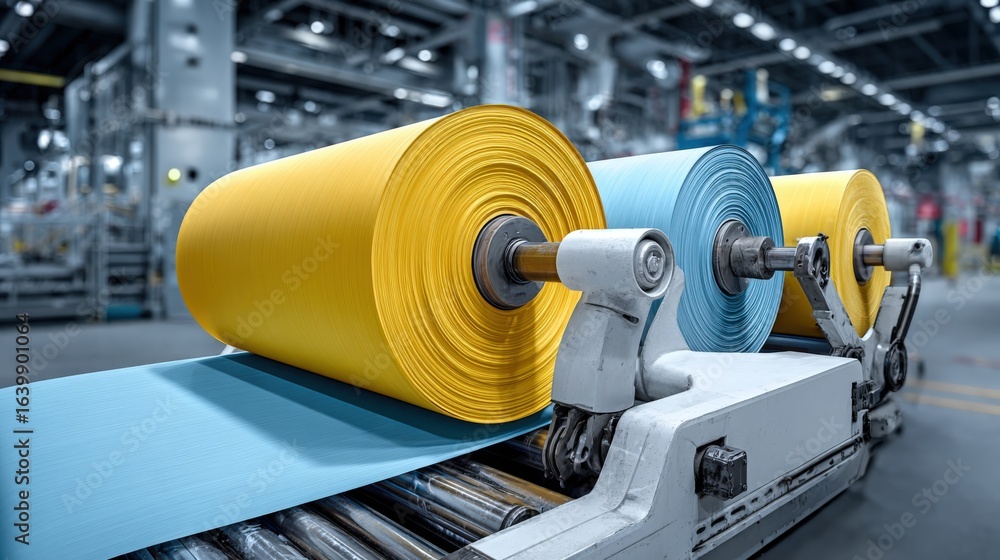
Few things in the packaging world are as quietly clever as carbonless paper. Most of us meet it at the end of a transaction: a signed delivery slip, a restaurant check, a warehouse pick ticket, where the copy underneath magically records what was written on top. But carbonless paper is also a fascinating industrial product, and in some modern packaging lines it plays a surprising role alongside protective foam wrapping. Let's look at how a carbonless paper roll fits into the process of producing a foam-wrapped package, and why this pairing is worth knowing about.
What Makes Carbonless Paper Different
Traditional carbon paper relied on a messy, ink-coated sheet slipped between pages. Carbonless paper replaced it with chemistry. The top sheet is coated on its underside with microscopic capsules containing colorless dye. The sheet beneath carries a coating of reactive clay or resin. When you press with a pen, or when a printer strikes the page, the capsules rupture, the dye is released, and it reacts with the coating below to form a visible mark.
No carbon, no smudges, no loose inserts. The marks appear on the sheet underneath instantly, and they stay put.
For packaging operations, the roll format is what matters. Carbonless paper is commonly supplied on large reels, which feed continuously through printers and converting equipment. A single roll can produce thousands of multi-part labels, packing slips, and shipping documents without stopping the line.
Where the Roll Meets the Package
Imagine a fulfillment line handling fragile goods: ceramics, glassware, electronics, or precision instruments. Each item needs three things: cushioning, identification, and documentation. The carbonless paper roll handles the second and third.
As the line runs, the paper unwinds from its roll and passes through an impact or thermal printer. The printer generates order information, barcodes, and handling instructions. Because the paper is made of layered plies, one pass produces multiple copies at once: one for the customer, one for the warehouse, one for accounting or returns. Cut to length, the finished document is attached to or tucked into the package.
Meanwhile, the product itself is being wrapped in foam. This is typically polyethylene foam sheeting or a similar closed-cell material, chosen for its light weight, shock absorption, and resistance to moisture. The item is placed on the foam, which is folded or wrapped around it, then sealed with tape or heat. The carbonless paper documentation is slipped into a pouch on the outside or secured to the wrapped package before it goes into a shipping carton.

Why This Combination Works
Documentation survives the journey. Carbonless forms have no ribbons or ink cartridges to fail, and the images are resistant to many of the smearing problems that affect inkjet output. Packages move through humid warehouses, cold trucks, and rough handling, and the paperwork needs to stay legible.
Speed and reliability. Continuous rolls keep the line moving. There are no sheets to jam, no manual collating of copies, and no separate carbon inserts. That reduces downtime and labor.
Clean handling around foam. Foam wrapping is sensitive to static and dust, and some foams attract particles readily. Carbonless paper does not shed ink or toner, which helps keep the packaging area cleaner.
Traceability. When every wrapped package carries a duplicated record, it becomes far easier to track where an item came from, who packed it, and what should be inside. If a claim is filed for damage in transit, the paper trail matches the physical package.
Practical Tips for Operators
If you are setting up or optimizing a line like this, a few details make a real difference:
- Match the paper to the printer. Carbonless papers are engineered for impact printing, and some grades are suited to laser or inkjet use. Check the manufacturer's specifications before loading a new roll.
- Control storage conditions. Heat and pressure can prematurely rupture the microcapsules, producing faint background marking. Store rolls in a cool, dry place and avoid stacking heavy loads on them.
- Mind the roll tension. Too much tension during feeding can stress the coating and cause streaking, while too little leads to misfeeds.
- Choose foam thickness to the product. Documentation placement should never compress the foam in a way that reduces protection, so use external pouches rather than tucking thick paperwork into the cushioning.
A Small Detail with Big Impact
It is easy to overlook the humble paper roll when thinking about packaging. The foam gets the credit for protecting goods, and the box gets the credit for shipping them. But accurate, durable paperwork is what ensures the right product reaches the right person, and carbonless paper delivers that without fuss.
Pairing a carbonless paper roll with foam wrapping is a good example of how packaging works best as a system: protection and information moving together down the line. The next time a foam-wrapped parcel arrives with a neat, legible slip attached, you will know a quiet bit of chemistry made it possible.
https://www.pluginprofitsite.com/main-52465/freesetup.html



No comments:
Post a Comment