
Protein Diet: What Does It Mean for Your Body?
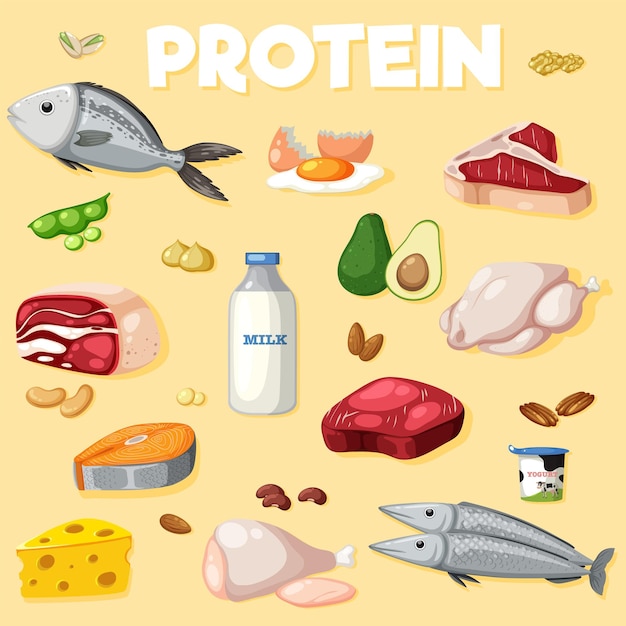
Protein has become the star of modern nutrition. Walk down any supermarket aisle and you'll find protein bars, protein shakes, protein-enriched yogurt, and even protein chips. But what actually happens inside your body when you eat more of it? And is a high-protein diet right for everyone?
What Protein Does in Your Body
Protein is one of three macronutrients, alongside carbohydrates and fats. It's made up of amino acids, often called the building blocks of life. Your body uses them to build and repair muscle, produce enzymes and hormones, support your immune system, and keep your skin, hair, and nails healthy.
Of the twenty amino acids your body needs, nine are "essential," meaning you must get them from food because your body can't make them. Animal sources like meat, fish, eggs, and dairy provide all nine. Many plant sources, such as beans, lentils, tofu, and quinoa, can also deliver them, especially when eaten in variety.
What Is a "Protein Diet"?
The term can mean different things. For some, it simply means being more mindful of protein at each meal. For others, it refers to a structured high-protein eating plan where protein makes up a larger share of daily calories, often 25 to 35 percent or more, compared with the roughly 10 to 20 percent typical in many diets.
For reference, general guidelines suggest about 0.8 grams of protein per kilogram of body weight for the average adult. Active people, older adults, and those building muscle often benefit from more, commonly 1.2 to 2.0 grams per kilogram.
The Potential Benefits
Muscle growth and maintenance. Protein is essential for repairing the tiny tears in muscle fibers that occur during exercise. Combined with resistance training, adequate protein helps build and preserve lean mass.
Greater fullness. Protein tends to be more satiating than carbohydrates or fat. Eating it can reduce hunger and cravings, which is one reason high-protein diets are popular for weight management.

A higher calorie burn from digestion. Your body uses more energy to digest protein than other macronutrients, a phenomenon known as the thermic effect of food. The effect is modest, but it adds up.
Protection against muscle loss with age. As we get older, we naturally lose muscle, a process called sarcopenia. Higher protein intake, paired with strength exercise, can help slow this decline and support mobility and independence.
Support during weight loss. When you cut calories, you risk losing muscle along with fat. Adequate protein helps preserve lean tissue so more of the weight you lose comes from fat.
The Potential Downsides
More isn't always better, and a high-protein diet comes with some considerations.
Kidney strain for some people. In healthy individuals, higher protein intake hasn't been shown to damage the kidneys. However, people with existing kidney disease are often advised to limit protein, since damaged kidneys have a harder time filtering waste products.
Nutritional imbalance. If you load up on protein but squeeze out fruits, vegetables, whole grains, and healthy fats, you may miss out on fiber, vitamins, and antioxidants. Digestive issues like constipation are common when fiber intake drops.
Heart health concerns depend on the source. Diets heavy in red and processed meats are linked to higher cardiovascular risk, while diets emphasizing fish, poultry, legumes, and nuts tend to be associated with better outcomes. The type of protein matters as much as the amount.
Cost and sustainability. High-protein eating can be expensive and, for some, difficult to maintain long term. Extremely restrictive plans often lead to a cycle of dieting and rebounding.
Making Protein Work for You
You don't need to overhaul your life to benefit from protein. A few practical habits go a long way:
- Spread it out. Aim for a good source of protein at each meal rather than saving it all for dinner. Research suggests this supports muscle repair more effectively.
- Choose quality sources. Favor fish, eggs, poultry, Greek yogurt, legumes, tofu, nuts, and seeds. Treat processed meats as an occasional item.
- Keep the plate balanced. Pair protein with vegetables, whole grains, and healthy fats for a complete meal.
- Be cautious with supplements. Powders and bars can be convenient, but whole foods should come first. Check labels, since some products contain lots of added sugar.
- Stay hydrated. Drinking enough water supports your body's processing of the extra nitrogen that comes from protein metabolism.
Who Should Be Careful?
If you have kidney or liver conditions, are pregnant, or manage a chronic illness, speak with a doctor or registered dietitian before significantly changing your protein intake. Needs vary widely based on age, activity level, health status, and goals.
The Bottom Line
A protein diet can be a powerful tool. It can help you feel full, protect your muscle, and support a healthy body composition. But it works best as part of a balanced, varied way of eating rather than as an all-or-nothing approach.
Listen to your body, focus on quality, and remember that the best diet is the one you can enjoy and sustain. Protein is a valuable ally, but it's only one piece of the puzzle.
This post is for general information and isn't a substitute for personalized medical or nutritional advice.
https://www.pluginprofitsite.com/main-52465/freesetup.html
(PLR) Keto Diet Secrets
https://warriorplus.com/o2/a/lp3w10x/0



No comments:
Post a Comment